
Opportunities with biocomposite and WoodSafe
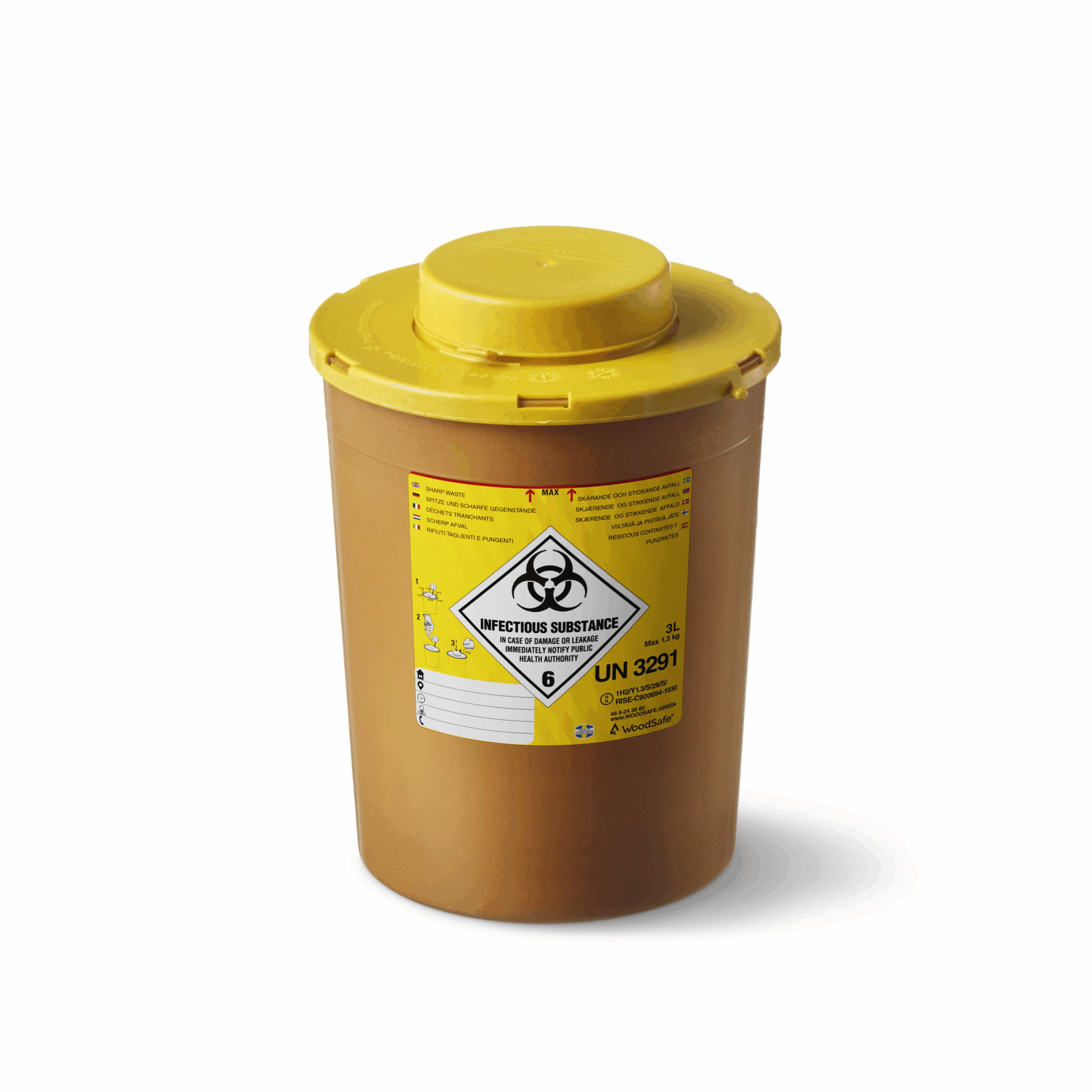
WoodSafe® is manufactured from biocomposite optimized to replace a wide range of polymers, and it can also achieve very high tensile strength. The advantages of polymer are moldability, durability, flexibility, and design freedom. The advantages of wood fiber are its strength, natural look/feel, the fact that it's a renewable raw material, and its low CO2 footprint.
Biocomposite is a uniquely developed biocomposite material that combines exactly these advantages. WoodSafe® hazardous waste containers have optimized the mix of wood fiber and polymers with the goal of meeting the requirements for these containers according to UN tests, while minimizing climate impact. FrostGreen and FrostPharma has patented (patent pending) these hazardous waste containers, having found a solution (process and design) for manufacturing the WoodSafe® product line.
Opportunities with biocomposite and WoodSafe
WoodSafe® is manufactured from biocomposite optimized to replace a wide range of polymers, and it can also achieve very high tensile strength. The advantages of polymer are moldability, durability, flexibility, and design freedom. The advantages of wood fiber are its strength, natural look/feel, the fact that it's a renewable raw material, and its low CO2 footprint.
Biocomposite is a uniquely developed biocomposite material that combines exactly these advantages. WoodSafe® hazardous waste containers have optimized the mix of wood fiber and polymers with the goal of meeting the requirements for these containers according to UN tests, while minimizing climate impact. FrostGreen and FrostPharma has patented (patent pending) these hazardous waste containers, having found a solution (process and design) for manufacturing the WoodSafe® product line.
Opportunities with biocomposite and WoodSafe
WoodSafe® is manufactured from biocomposite optimized to replace a wide range of polymers, and it can also achieve very high tensile strength. The advantages of polymer are moldability, durability, flexibility, and design freedom. The advantages of wood fiber are its strength, natural look/feel, the fact that it's a renewable raw material, and its low CO2 footprint.
Biocomposite is a uniquely developed biocomposite material that combines exactly these advantages. WoodSafe® hazardous waste containers have optimized the mix of wood fiber and polymers with the goal of meeting the requirements for these containers according to UN tests, while minimizing climate impact. FrostGreen and FrostPharma has patented (patent pending) these hazardous waste containers, having found a solution (process and design) for manufacturing the WoodSafe® product line.

Bioplastic and biocomposite
What requirements should and can we place on bioplastic/biocomposite today? According to Agenda 2030, we must shift to using more sustainable materials in order to achieve the goals for reduced climate impact. For example, plastics made from fossil raw materials should be replaced with bio-based or recycled raw materials.
- Plastic products should be made from bio-based raw materials that are not grown on land where the raw material competes with food production, or that was previously rainforest land.
- Requirements for the percentage content of bio-based raw materials should be set as high as possible given the current state of the art.
- From a life-cycle perspective, products should have a demonstrably low/lower climate impact, shown through LCA or an equivalent analysis.
Bioplastic and biocomposite
What requirements should and can we place on bioplastic/biocomposite today? According to Agenda 2030, we must shift to using more sustainable materials in order to achieve the goals for reduced climate impact. For example, plastics made from fossil raw materials should be replaced with bio-based or recycled raw materials.
- Plastic products should be made from bio-based raw materials that are not grown on land where the raw material competes with food production, or that was previously rainforest land.
- Requirements for the percentage content of bio-based raw materials should be set as high as possible given the current state of the art.
- From a life-cycle perspective, products should have a demonstrably low/lower climate impact, shown through LCA or an equivalent analysis.
Top largest source of CO2 emissions
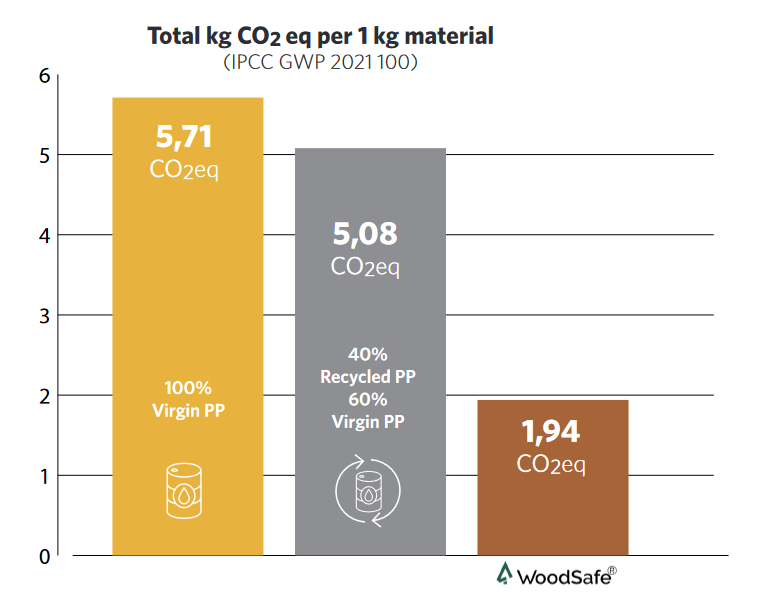
Hazardous waste containers of various sizes today account for a large share of plastic consumption in healthcare. After examination, hazardous waste containers are the largest product by tonnage per year sent to incineration. By replacing today's hazardous waste containers with biocomposite material, we halve the climate footprint of one of the largest plastic items.
Top largest source of CO2 emissions
Hazardous waste containers of various sizes today account for a large share of plastic consumption in healthcare. After examination, hazardous waste containers are the largest product by tonnage per year sent to incineration. By replacing today's hazardous waste containers with biocomposite material, we halve the climate footprint of one of the largest plastic items.